Sacramento Law Enforcement & Fusion Centers: “Just Trust Us Bro”
By James J. Jackson, Jr.
Recently, Sacramento City Council voted 5-2 to accept a federal grant on the condition that they would “pass through” 30% of $800,000 to the Sheriff’s office to assist in their collaboration with the Central California Intelligence Center (CCIC). If that sounds convoluted and confusing, that’s because it is.
First, you might be asking, why was the vote 5-2 when there are nine members of the voting body? This part is easy, because both Councilmembers Phil Pluckebaum and Eric Guerra hid from their constituents in order to get out of having to cast a public vote.
Councilmember Mai Vang pointed out to everyone else on the dais that accepting funds for data fusion centers like the CCIC is irreconcilable with being a sanctuary city, and that Sacramento needs to reevaluate our relationship with federal agencies as Trump uses them as tools to attack immigrants. Even more concerning is that these data fusion centers are currently under a state sponsored investigation.

State Sen. Sabrina Cervantes requested an audit of three joint intelligence centers in California. Here, Cervantes listens during the swearing-in ceremony for Senate President pro Tempore Monique Limón in Sacramento on Jan. 5, 2026. Photo by Miguel Gutierrez Jr., CalMatters/Pool
But despite the arguments of Councilmembers Vang & Maple, in addition to the pleas from Decarcerate Sacramento, Sacramento Poor People’s Campaign, and dozens of other orgs and community members, the City accepted the grant, tying them to increased coordination with Trump’s federal agencies as they install more surveillance and Flock cameras and collect our data under the guise of “national security.”
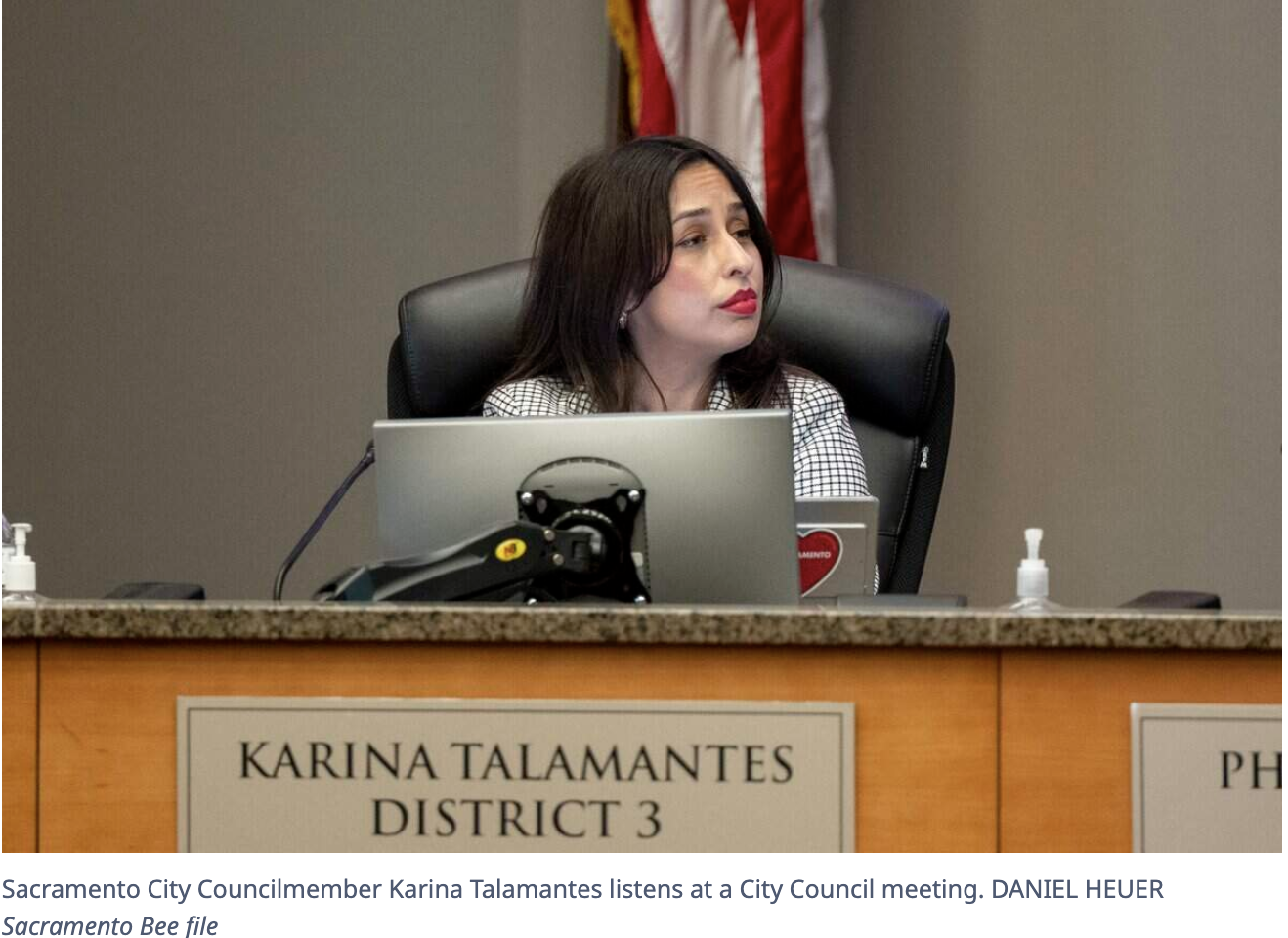
Sacramento has called itself a sanctuary city since 1985, but that status is now meaningless thanks to the likes of Mayor Kevin McCarty and Councilmember Karina Talamentes.
Meanwhile, the Sacramento County Board of Supervisors (BOS) has gone even farther to allow local authorities to coordinate directly with ICE. In May, before the funding for the fusion center was approved despite lack of protections or oversight, the Sacramento Board of Supervisors approved the Sheriff’s Department’s direct coordination with federal agencies in multiple task forces targeting “transnational criminal organizations” AKA drug cartels. ICE is a leading member of these task forces, and with the new approval of the fusion center funding, data collected by any of these agencies, by any means, can easily be shared between them.
Do the City or County have any oversight over how any of this data is used? They do not. Is there any way at all for citizens to be assured their data isn’t being used and distributed illegally by various arms of law enforcement? There is not.
So what is the CCIC? What is a data fusion center? How does it operate? What is it for?
Fusion centers were first created in the early 2000s following the September 11th attacks. Following the attack, the federal government endured a massive reshuffling under then-president George W. Bush to increase surveillance against both immigrants and civilians under the guise of “national security” and the notion that a major cause of the attacks was a lack of data sharing between federal and local agencies. The fact that before the attacks Bush was given a daily brief literally titled, “Bin Laden Determined To Strike In The US” speaks to more of Administrational incompetence than it does a lack of data sharing. But even with that fact aside, this reshuffling laid the foundation for Trump’s use of ICE, surveillance, and created the first fusion centers which have increased ever since. Today, we have 80 recognized centers across the country.
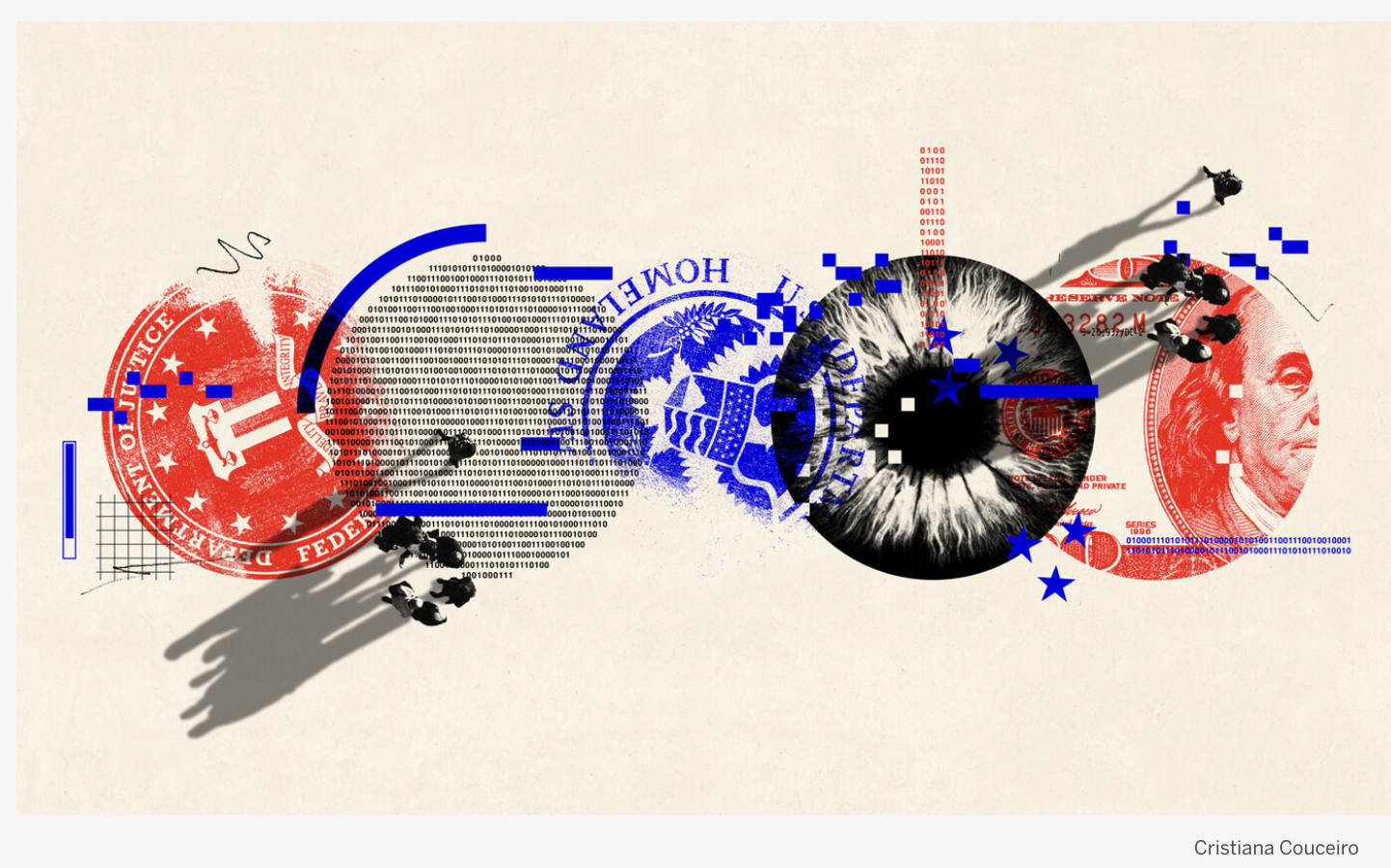
The Department of Homeland Security wants you to believe that data fusion centers, like the CCIC, are a necessary resource for public safety and national security. They describe data fusion centers as “locally controlled entities where local law enforcement agencies can coordinate and share information with federal authorities (and vice versa) to combat gang violence, mass shootings, and terrorism”. This data can include anything from license plate numbers tracked by flock cameras, deportation targets, and anything they deem as “criminal activity” (think people outside the John Moss building protesting the deeply illegal and inexplicably cruel actions of ICE). There are virtually no specific limitations on what kind of data can be collected and shared.
The CCIC does not just cover Sacramento nor do they only work with Sacramento law enforcement. CCIC’s territory covers 34 counties in Northern California. Every one of these counties and all of their law enforcement agencies can collect and share data with Trump’s goons through the CCIC. Every city in California with a Flock camera or a “suspicious person” living there is free to collect and share any form of data with each other, and 10 million Californians are under their jurisdiction.
Because ICE is a direct subsidiary of the Department of Homeland Security, and both are deep in the pockets of Donald Trump, the existence of any fusion center is cause for alarm, especially since no law exists that regulates which agencies can operate in the center and what data can be collected and shared.
One of the biggest claims made in defense of fusion centers is that they are helping the police to end human trafficking. The CCIC website would have you believe that fusion centers are vital to alert agents about known traffickers. In reality the Trump administration has an abysmal record against human trafficking, which should not be a surprise considering that our President was best friends with the most notorious human trafficker in history. But even their claims about terrorism and gang violence are lies; “Gang violence” and “fighting terrorists” are just two of the most typical dog whistles ICE uses to cover for their violent attacks on immigrants.
It’s also not a coincidence that as the Trump administration has ramped up on deportations, activity at and funding for data fusion centers have both increased significantly. While the federal government claims these centers exist as tools that promote national security, the Departments of Homeland Security and the DOJ have put more time and money into deportation than anything else.
Organizations like the Brennan Center of Justice (BCJ) have pointed out inconsistencies and the lack of oversight when it comes to Trump’s data sharing efforts. And according to the BCJ, no singular city or county has explicitly banned data fusion centers from operating in their districts.
A California State Senate bill creating oversight of fusion centers and limitations on their data sharing was introduced in early 2026, but currently lies dormant under committee review.
While the DHS website claims to cover the scope of responsibilities, it offers zero specifics on what kind of information is collected and shared between federal agents and local law enforcement. This is why the lack of guard rails in any proposal regarding data fusion centers is so concerning- the more abstract and vague they are allowed to be, the more they can get away with behind the scenes.
Sacramento city council has previously approved two Anti-ICE measures. Sacramento police are not allowed to ask about a suspect's immigration status and the city council banned ICE agents from operating on city property. But the approval of the data fusion center money creates a loophole for Sacramento PD and Sheriff to work both directly and indirectly with ICE.
Either the city council is naive enough to believe that local law enforcement will commit to their anti-ICE promises, or they knowingly created this loophole to give the agency some leniency out of fear of backlash from the Trump administration.
Prior to this vote, Councilmember Karina Talamantes and other councilmembers requested more guard rails protecting immigrants and limitations on what kind of information the center could collect and share when the grant was brought before council in a previous iteration. However, the item came back with no such guard rails included, and Talamantes both voted for and argued (poorly) in favor of the funds anyway. The public outrage about this decision was so intense and swift that the city council emptied the chambers of protesters. After the chamber was cleared, Talamantes was caught on a hot mic conspiring with the Mayor to ban protesters from the chambers. She has since been turned into a meme for this attack on freedom of speech and is being mocked relentlessly on her social media accounts.
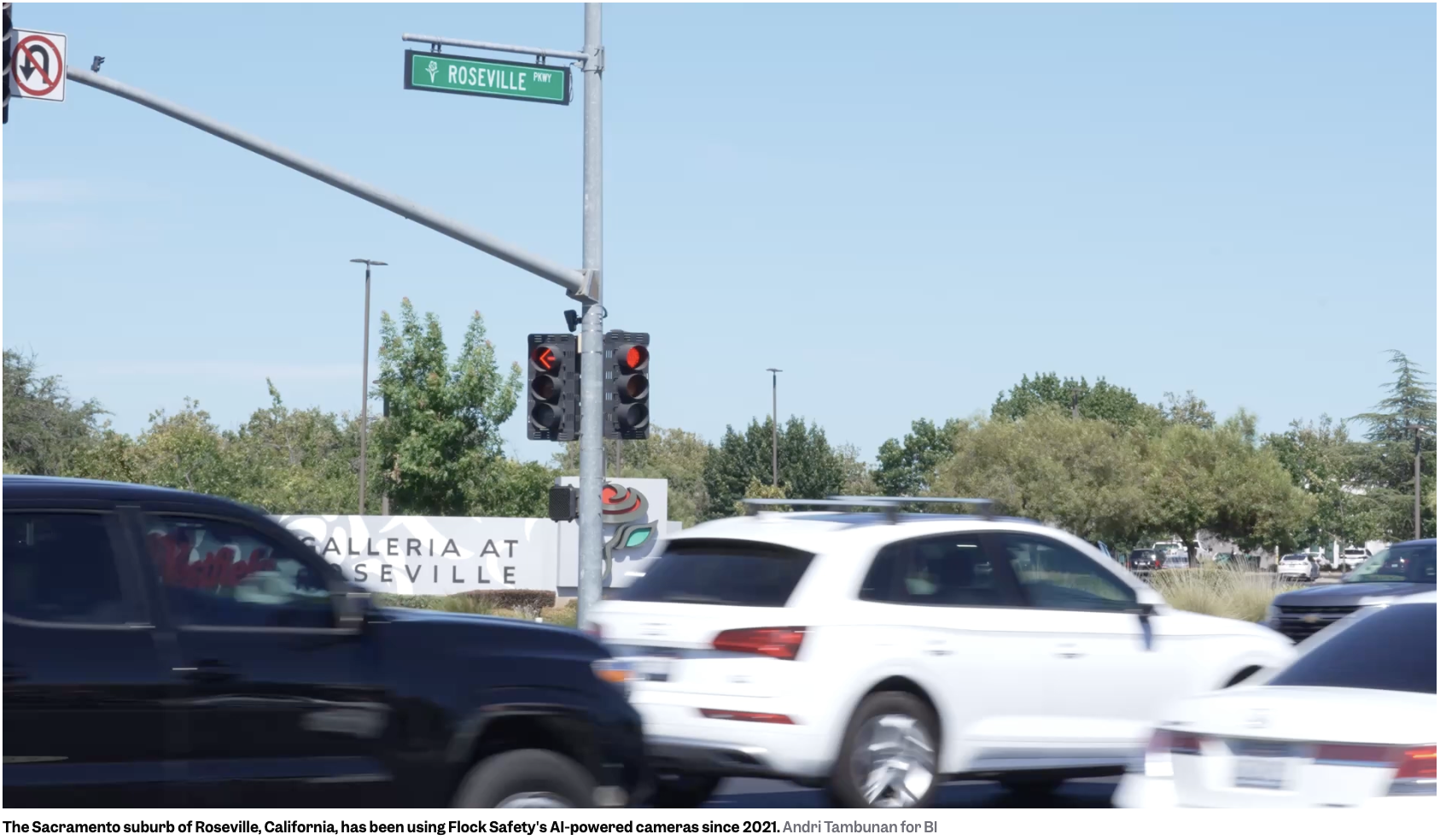
Of course, Orwellian surveillance by Sacramento law enforcement was already on the rise long before City Council approved the CCIC funds. The Sacramento Sheriff’s Department and Sacramento PD have started installing even more ALPR cams (automated licence plate reader cameras, AI cameras that collect license plate data from cars) than ever before, and other nearby agencies like the Rancho Cordova Police Department and Elk Grove have too.
While Sacramento PD use a different brand of ALPR, Flock is the most used brand of ALPR cameras by law enforcement across the country. Over 6,000 municipalities and law enforcement agencies across the United States either have a contract with Flock or use their ALPR surveillance equipment. These Orwellian instruments have already led to multiple cases of false arrest, false imprisonment, or use of escalated force under mistaken identity. There are already multiple cases of cops misusing the data collected from the cameras to stalk their exes or engage in personal attacks. In short, there is little stopping your local cop from spying on you with a Flock camera if they feel like it. Civilians across the country have voiced their outrage about Flock at local government meetings increasingly across the country, and the organization DeFlock is growing in numbers and chapters as people continue to fight for their right to privacy. Chapters have sprung up in Elk Grove and Roseville. Not only are they fighting to stop the installation of Flock cameras, Deflock also takes the time to map out the locations of Flock cameras so that people can better protect themselves from their spying eyes!

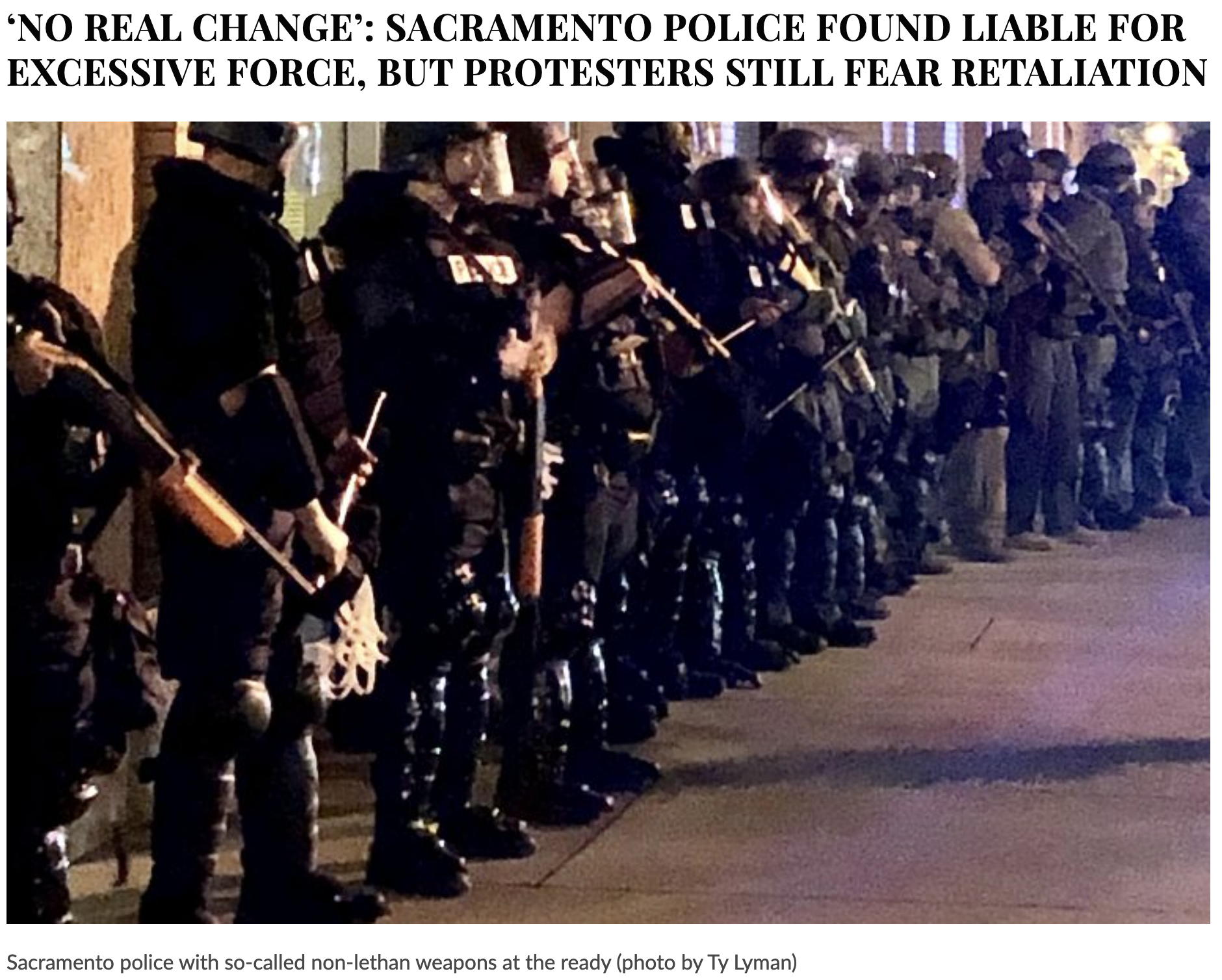
Sac PD representatives claim that the data centers mostly share data pertaining to “Violent crime, gangs, critical infrastructure, public safety threats, terrorism and cyber security.” Sac PD Deputy Chief Heinlein claims no identifying information is shared with federal authorities, just intel on criminal activity. However, there is nothing in writing mandating that any such regulation must be followed, and Sac PD has set a strong precedent suggesting that they cannot be trusted to do the right thing unless they are directly and publicly ordered to do so, like the time they had to be taken to federal court for abusing protesters during the George Floyd Rebellion.
No matter how they spin it or attempt to justify it, the priority of these fusion centers is surveillance of civilians and deportations, and this epidemic of data sharing centers is just one of many instruments local law enforcement agencies are using to bolster overt fascism at the pleasure of the Trump administration.