Sacramento’s Fight for a Public Bank
Written by James J. Jackson, Jr.
Sacramento and several other regions across California are currently fighting for public banks at nearly every level of government. A coalition of organizations led by Sacramento Acting Congregations Together, Sacramento Climate Coalition, and others are concentrating their efforts to bring a public bank to Sacramento but so far the City Council and Mayor McCarty seem entirely uninterested in the growing public demand to agendize push the bank forward and take the idea seriously, despite their 2019 approval to explore the concept.
A public bank is exactly what it sounds like- a bank owned by the people through their representative government in which revenue generated by interest and fees are funneled into public coffers rather than Wall Street bank accounts. In other words, it’s a bank that operates as a publicly owned utility that serves the entire community rather than private interests.
Sacramento already has a publicly owned electric utility with SMUD, so public ownership is not a new concept to Sacramento (and in fact seems to be widely preferred to PG&E, the local private option). However, our city, county, and state level electeds are still very resistant to the idea of a publicly owned bank.
Goli Sahba and Doug Macpherson, two of the top organizers of Sacramento’s Public Banking Coalition, argue that a public bank in Sacramento would help with the city's green energy transition goals, create funding for affordable housing, public infrastructure/disaster resilience, improve small and minority business lending, plus countless other ventures that we desperately need but are unable to afford while reliant on private banks.
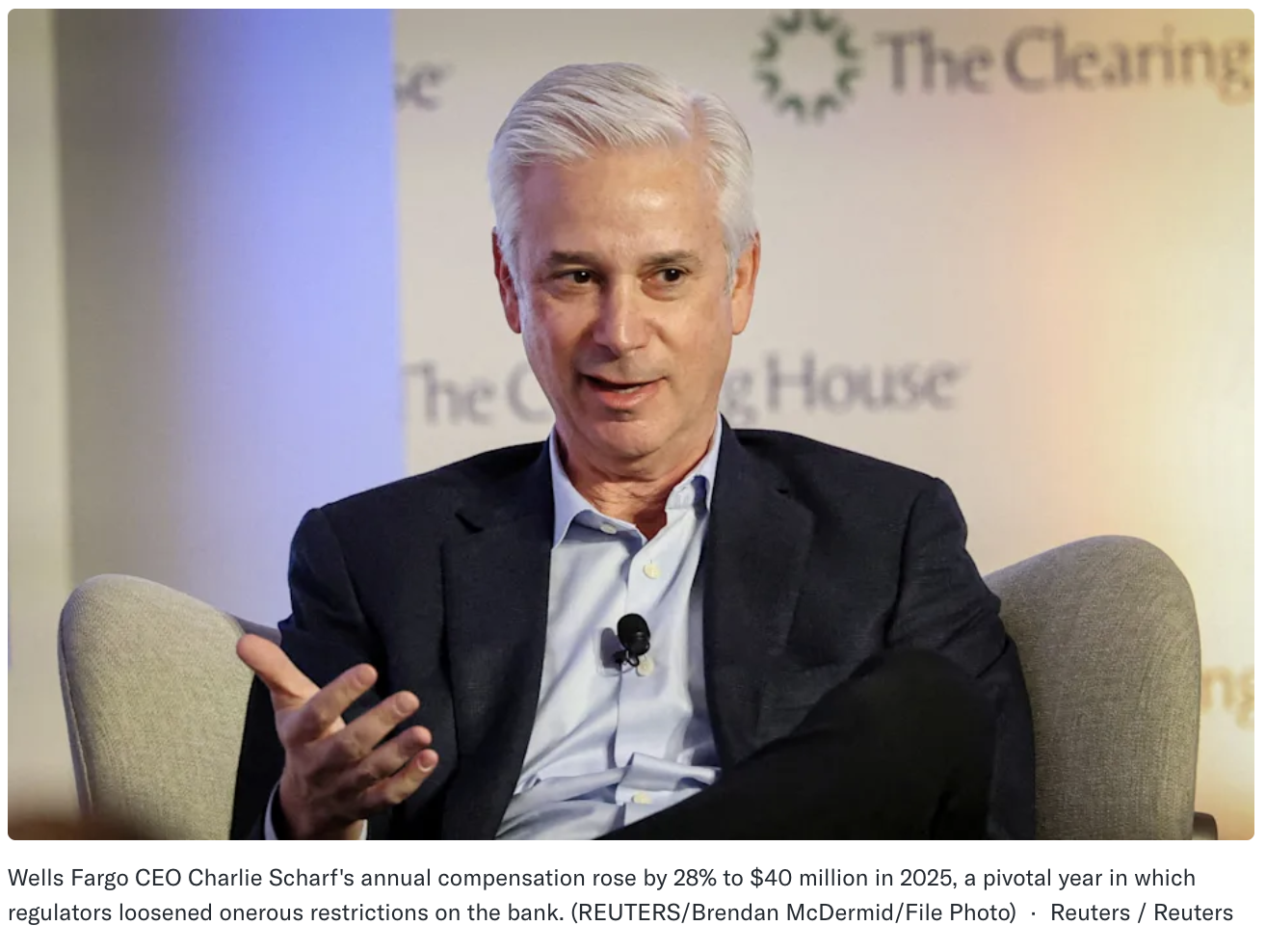
A public bank would allow Sacramento to fund these projects ourselves instead of taking out loans with privatized third party banks that take revenue out of our community and into the pockets of wealthy CEOs.
A public bank can also address wealth disparities that exist when it comes to racial or environmental justice. A public, democratically owned bank would be accountable to the people, which would allow those who have been denied or exploited by private banks access to financial security that are currently out of reach.
Further, predatory lending and segregationist practices led to widespread redlining while establishing neighborhoods in the early days of Sacramento, a practice that went unchallenged well into the 1960s. You can still see the effects of this housing segregation today- ever wonder why South Sacramento is both majority non-white and low income? Not a coincidence. A public bank accountable to the people would not be able to engage in discriminatory practices like these.
By keeping local dollars local, we also wouldn’t have to worry about the interest collected in our savings coming from morally bankrupt investments in fossil fuels, oil pipelines, or weapons manufacturers.
Assembly Bill 2243 was introduced this year. If passed, it would allow the state to investigate the possibility of opening a state owned bank. However, state officials appear to be stonewalling the bill, leaving it to gather dust in committees. On Earth Day, April 22, 2026, Trinity Tran of the California Banking Alliance spoke publicly in support of AB 2243, along with several other Sacramento and California leaders.
Tran pointed out that California, the 4th largest economy in the world, generates nearly $300 billion in public revenue every year. Sacramento alone generates nearly $1 billion. Private banks are NOT NEEDED to fund California’s state or city projects, yet they are still used which speaks loudly to our elected officials being influenced by, scared of, or outright controlled by monied interests.
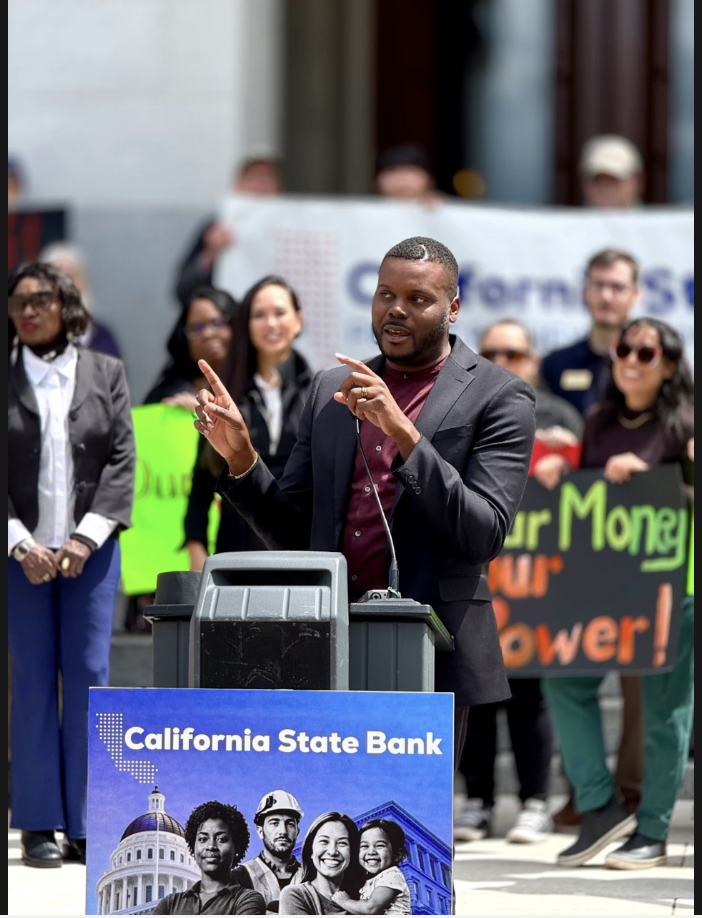
Michael Tubbs, former Stockton mayor and founder of End Poverty in California, speaks April 22 at the Capitol at the launch of Assembly Bill 2243. Neenma Ebeledike, OBSERVER
Although often derided by critics as a pipedream, a public bank that keeps local dollars local is not just theoretically sustainable, it already exists in the state of North Dakota. If North Dakota, a state with a much smaller GDP than California, can sustain a public bank- the world's 4th largest economy certainly can as well.
The Bank of North Dakota (BND) is the only public bank in the United States currently operating. For over a century, it has provided the state of North Dakota with all of the financial benefits listed above and been a reliable resource for the state's infrastructure.
It also may have saved the state’s economy. Through their COVID disaster relief programs, BND granted deferrals to nearly 10,000 student, commercial, and residential loan borrowers, allowing several businesses and individuals to survive the economic downturn that came with the COVID Crisis. This stands in stark contrast to countless beloved Sacramento businesses that were forced to shutter during lockdown.
The arguments against public banks grow thinner and thinner the more one examines the benefits and learns about the success of BND. But as we’ve seen with CalCare and a million other no-brainer local and state propositions, logic has never mattered to the greedy; just because something is an obvious net positive for the people of California doesn’t mean we are going to try and implement it.
Opponents of public banks argue that they would create a large bureaucratic system that would be hard for consumers to navigate. The irony of any Wall Street bank being concerned about consumers dealing with bureaucracy and red tape should be hilarious to anyone who has ever been on hold screaming “SPEAK TO A REPRESENTATIVE" over and over again at a robot.
Another argument made against public banking is how the investment of large start up funds would “drain” municipal budgets. This might be a good argument were it not for the fact, mentioned previously, that Sacramento generates $1 billion in public revenue and California as a whole produces over $300 billion. Per year. Once more for the people in the back: 4th largest economy ON THE PLANET.
Because it’s difficult to make a logical argument against public banking, Wall Street inevitably resorts to smear campaigns, sabotage, and misinformation campaigns.
In 1975, New York state legislators proposed a public banking bill which could have prevented a financial crisis in New York City that drove the city close to bankruptcy. Had the bill passed and NYC been allowed to create a public bank, their debt could have rolled over and officials would have had leeway to refinance the city. But of course, it was sabotaged by the Wall Street lobby and drove the city into one of its worst and longest economic downturns.
It’s still happening today. In 2024, conservative media and right wing influencers slandered the Bank of North Dakota when The Gateway Pundit, a far-right blog notorious for circulating hoaxes and fake news, published an inflammatory article alleging massive corruption at BND. They claimed BND had no oversight of its investments, was hemorrhaging money, and was rampant with fraud. They even went as far to say that BND intentionally wrote out over $400 million in bad loans in the last decade when the bank had only loaned out $30 million from 2015-2023.
Facts and community health have never mattered to the agents of capitalism. It’s poetic justice that the Gateway Pundit filed for Chapter 11 bankruptcy that same year, an attempt to dodge accountability regarding a defamation case against them.
It’s also worth noting that creating public banks should be an easy sell across the aisle. As the self-ordained arbiters of “fiscal responsibility”, Republicans should be leaping at any opportunity they can get to keep profits local while creating unprecedented amounts of public funding. You know what you don’t need when you have a revenue generator like a public bank making money for your municipality? Frequent tax and fee hikes for citizens and businesses, or parking meters that run until 10pm on Sundays.
Even so, implementation of a public bank in Sacramento or anywhere in California will not be easy. In addition to smears and sabotage, Trinity Tran points out that this is a grassroots movement trying to change a 400 year old banking system, “and risk-averse policymakers tend to default to the status quo.”
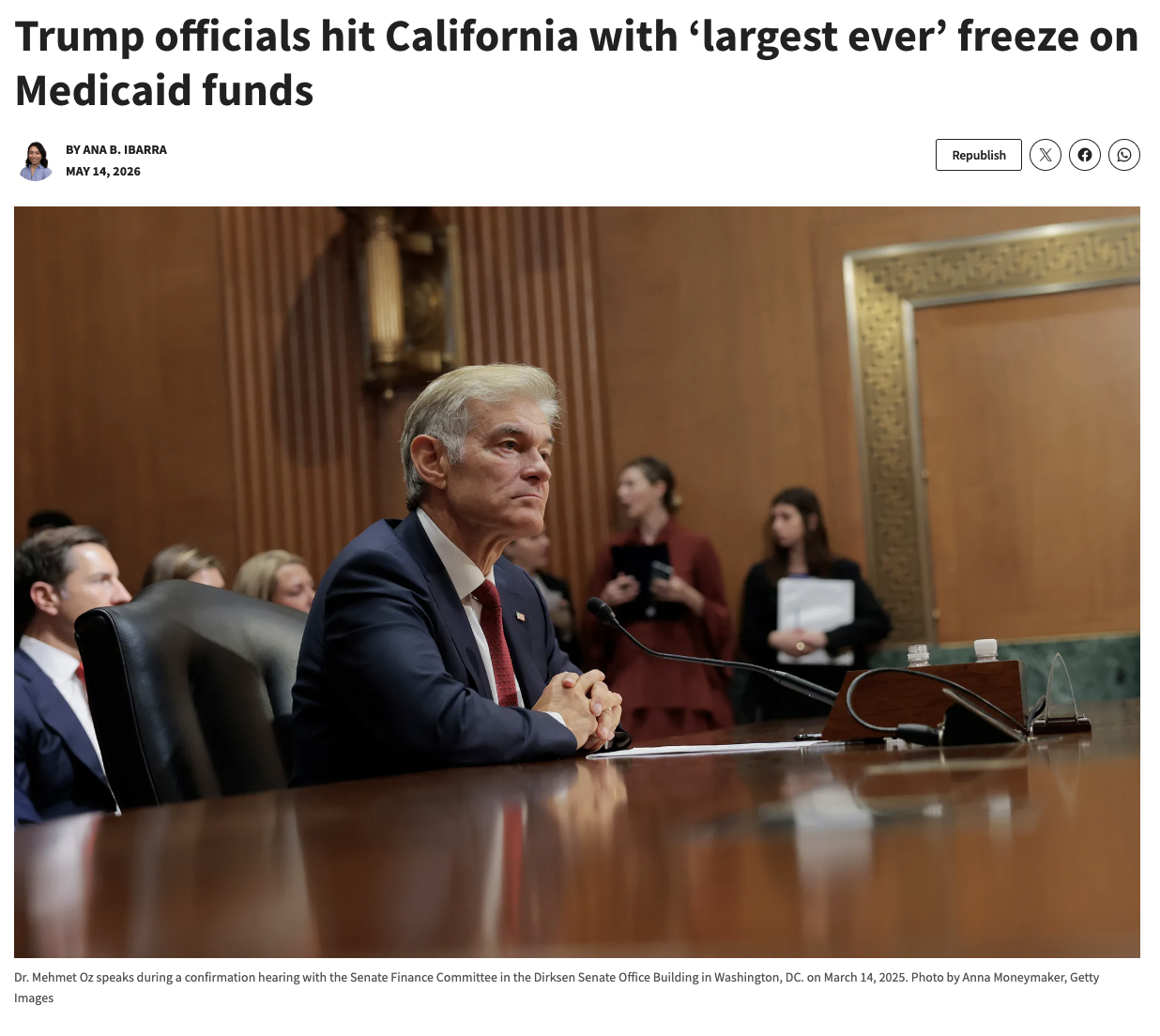
But it is obvious to most of us that the status quo isn’t working, especially as the Trump administration continues to pull back funds on the federal level as local and state budget deficits accumulate nationwide. The need for a self-sustaining revenue infrastructure has never been more dire.
But the movement is growing. Sacramento’s chapter of the Democratic Socialists of America recently created a public banking working group to assist the local coalition and along with Sac ACT and the Sacramento Climate Coalition, the group has the support of Sacramento Move to Amend, The Sacramento Community Land Trust, 350 Sacramento, Social Justice PolitiCorps, and numerous other organizations.
You can join the fight for Sacramento’s public bank by staying tuned in and attending the coalitions rallies, showing up to city council meetings, and visiting californiapublicbankingalliance.org/sacramento/.